
 01935 477869
 info@studleyroofing.co.uk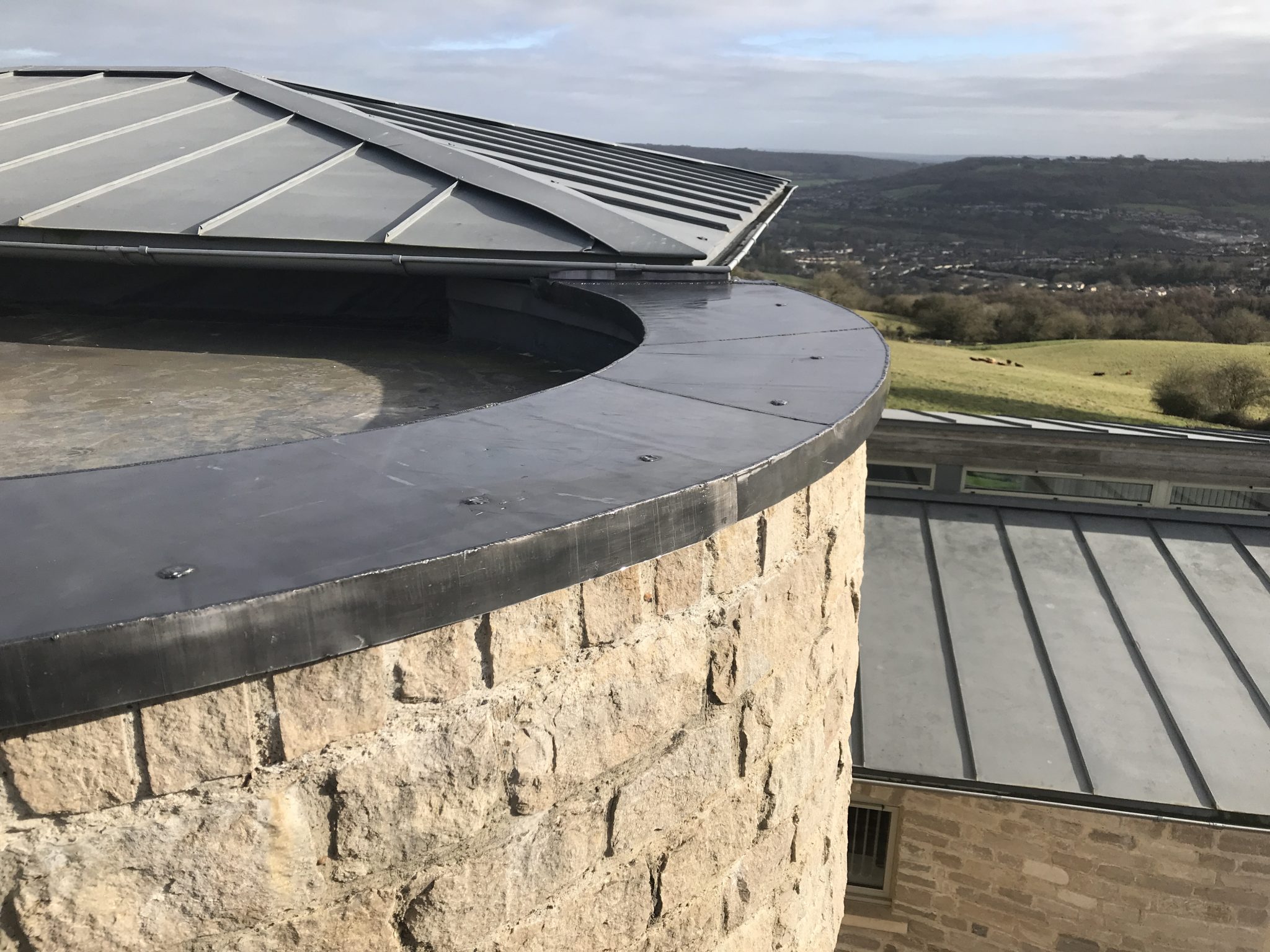
This stunning new build property near Bath had been having problems with water ingress for a number of years, and various solutions and repairs had been attempted to try and resolve the problem.
This stunning new build property near Bath had been having problems with water ingress for a number of years, and various solutions and repairs had been attempted to try and resolve the problem.
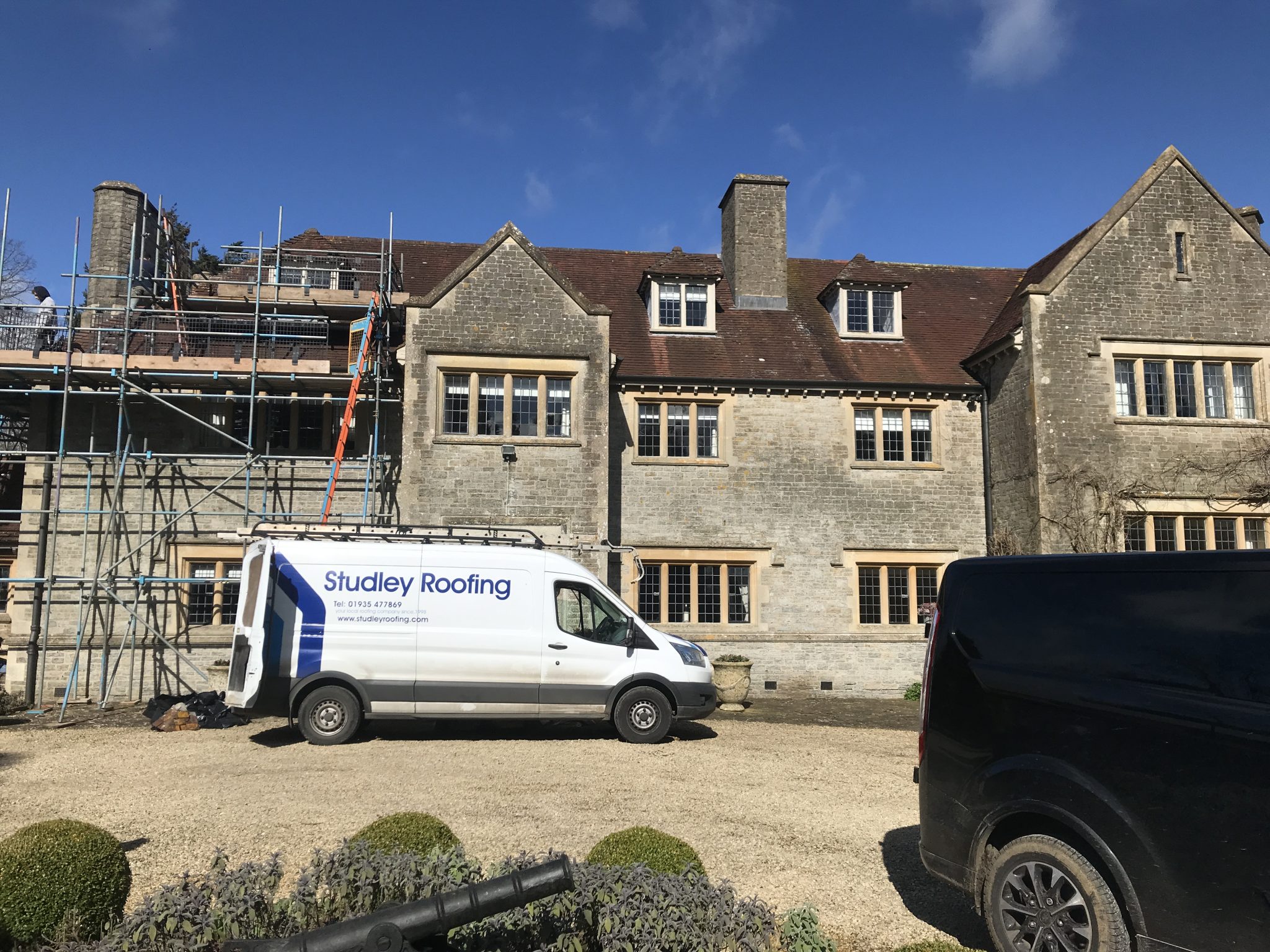
This grand house near Wincanton was once owned by the Marconi family and the current owners got in touch with us to undertake some careful repairs to the roof.
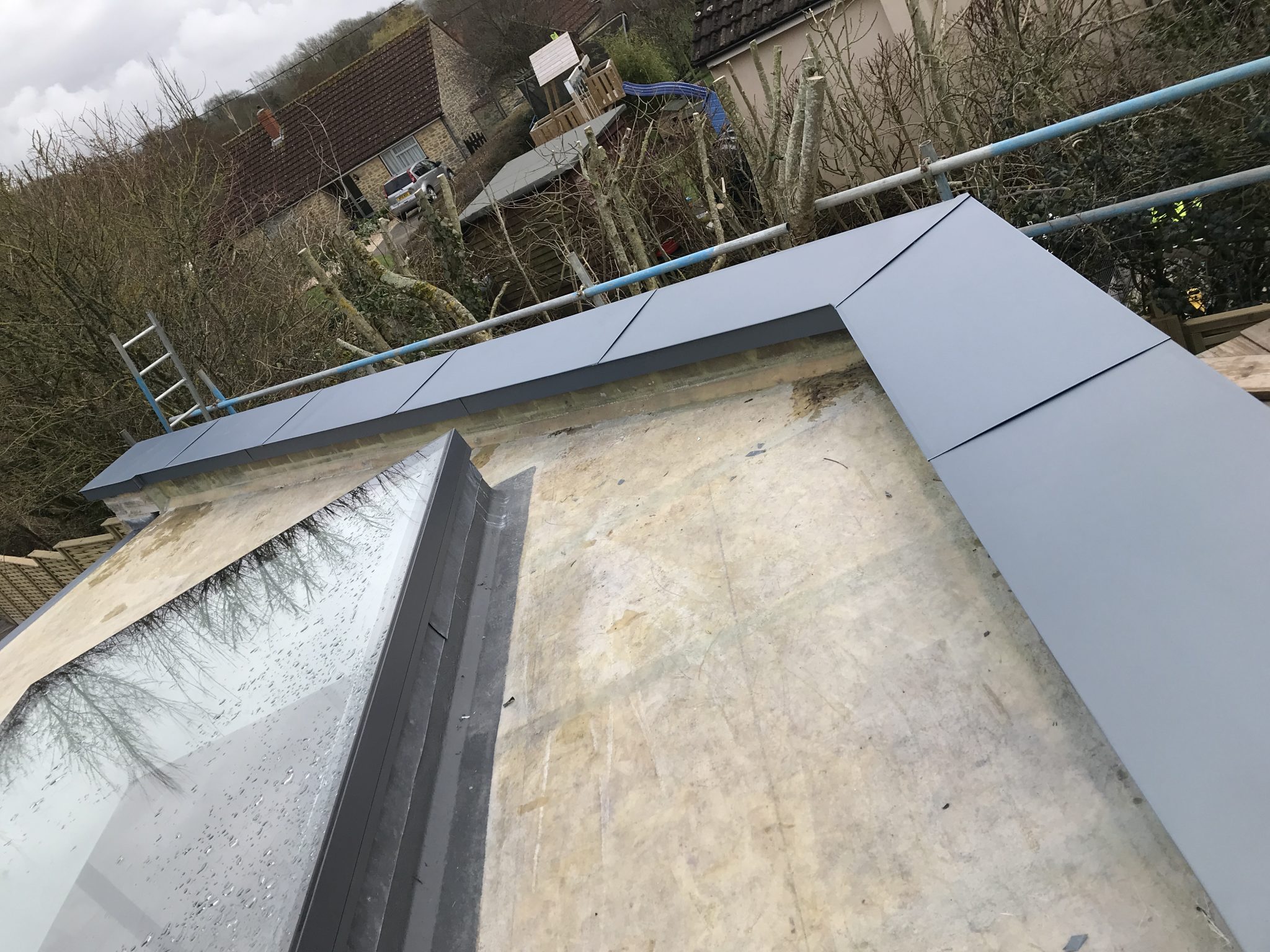
Finding the source of a leaking flat roof can be difficult, and symptoms inside the building may only become apparent some time after a leak has occurred. Make sure to check for the roof leakage only when the surface is cool and dry.
If the flat roofing is wet then it will be very difficult to see any leakage on it. The susceptible places for leaks to appear are the flashing, which is over the join of roof parts. Check to see if the pieces in any place are joined loosely or if there are any cracks or gaps, which have formed on account of wear and tear. The flashing should also be ideally integrated in such a manner that rainwater moves away from it.
Sometimes, the flashing may appear in perfect condition without any cracks or gaps showing. If you are unable to detect any flat roofing leakage around the flashing, check on lower lying areas or the roof. These regions tend to accumulate a lot of water and hence can develop cracks and corrosion easily. These resemble dirt rings with each ring diminishing in size as the water has evaporated. Check these lowest areas of the flat roofing for holes, cracks and splits.
One other place where you can find your flat roofing developing cracks is the seam area. Joints between flat roof sections can weaken over time and as the flat roof gets older, you may find water seeping into these seams resulting.
If a visual inspection has not identified any obvious cracks or splits in the surface of the flat roof, try running a hose over the roof a section at a time. After a few minutes you should be able to see if water is flowing towards a particular spot which is likely the source of the leak.
Once you have identified the source of the leak, it should be straightforward enough to patch it using either EPDM or a bitumen patch. At Studley Roofing we have many years experience of identifying problem areas on flat roofs and advising on what is likely to need repairing and when. If you are concerned about the age of your flat roof and would like us to assess it for you before a leak occurs, just get in touch.

Theft of lead roofing materials is a rising risk for property owners as the value of scrap lead has increased over the years. Traditional roofing uses lead as a malleable, waterproof material for flashing as well as some guttering and pipework on older buildings.
Lead is also a popular choice for an aesthetically pleasing solution for roofing conservatories and for flashing around roof windows. If you are looking for a traditional finish to your roofing project but without the risk of theft that lead carries, our handy guide will walk you through some of the options available.
Alternatives to lead flashing very accurately replicate traditional lead. The products are malleable thanks to an internal metal grid, coated in a type of modified bitumen which is finished to look like regular roofing lead. Different products will have different finishes so it is a good idea to get some samples to see which will best suit your project.
Lead alternatives usually come on a roll and are relatively easy to install, meaning they take less time to install and are often therefore cheaper than real lead. They can often be cut with a knife and are light and easy to work with, meaning less need for skilled lead workers on site. Self adhesive lead alternatives are also available, which can speed the fitting process even further. Usually lead flashing alternatives are around 50% cheaper than the equivalent coverage in traditional lead which can mean a significant reduction in budget for a large roofing project.
At Studley roofing we take pride in our traditional lead working skills but we also know that embracing new materials such as lead alternatives means we are able to offer a wide range of options to our clients, and can advise on how to get the best roofing finish for your budget. Get in touch to find out more!

There are a wide variety of types of slate available to builders and home owners and our experienced tilers can advise on the right type of roofing slate for your project.
When selecting a slate type for your roof it is important to consider factors such as the pitch of the roof, the aesthetic that is required, and the durability of the product.
Slate offers a beautiful natural finish to a roof but not all slate is equal. The three main types of slate available are:
As well as the striking natural aesthetics of slate, its durability has made it a popular building material for centuries. Often the aesthetics of natural slate are imperative to a project, particularly with renovations of older properties. Choosing natural slate for a roofing project is not usually the cheapest option but it is a high quality product which will wear well and require very little maintenance over the longer term. Slate roof tiles can only be installed onto pitched roofs with a minimum pitch of 25°.
Slate tiles can typically last up to 150 years or so, although roofing structures may need maintenance and repair. Natural slate tiles vary in cost from around £1 to £2 per slate depending on the source of the slate and at around 20 to 25 tiles per square metre this means the cost can vary anywhere from £20 to £50 a square metre.
When sourcing natural slate it is imporant to look at carbonate content as this reflects the quality of the slate tiles. Slate with a high carbonate content (over 20%) will often turn darker once exposed to the elements. In addition, be aware of European Standard BS EN 12326 which is used to regulate the quality of slate products.
Welsh, Spanish and Brazillian slates all have their own characteristics and colours and although these are all natural slate products, it is worth looking at samples of each to see which aesthetic fits your project.
Man made slates are a low cost alternative to natural slate and are usually made from a combination of ground down slate and synthetic resin. They are often larger than natural slate which means fewer tiles are needed for the same area coverage, reducing labour costs. They are also considered more eco friendly as they are composed from 60% to 80% recycled slate and their lightweight nature reduces the need for reinforcement in the underlay.
Man-made slates are designed to last for up to 30 years in normal weather conditions which is similar to the life expectancy of concrete or clay tiles, although a significant difference from natural slate. They have an advantage over natural slates in that they can be laid on pitched roofs down to 15°, and because they are often designed to interlock they require less labour and skill to install, driving down cost. In terms of pricing they are comparable on a per slate basis to natural slate, but due to their larger size the cost per square metre is typically around £20-£35 which is cheaper than the natural alternatives.
Made from a mixture of cement, fibres and mineral additives, fibre cement slates are lighter in comparison to natural slate and can be used on both steeper and lower pitches and roofs that require a more complex design such as valleys or intersections. They will usually last between 30-60 years depending on the conditions they are exposed to and come in a huge variety of styles, shapes and finishes.
Fibre cement slates are extremely cost effective and usually cost between £1 and £3 per slate, working out at around £14 to £40 per square metre. As with man made slate they can be used on pitches as low as 15° if required and often come with predrilled holes for quick and easy installation.
For examples of recent slate projects or more information about the right slate product for your project, get in touch with us and we will be happy to advise or help to secure slate samples for you.

 SLATE ROOFS
 TILE ROOFS
 LEADWORK
 FLAT ROOFS
 REPAIRS
 GUTTERING
 SOFFIT & FASCIA
 ROOF LIGHTS
 VELUX WINDOWS
 CHIMNEYS